

Why Presentation Templates Matter for Business Teams
How presentation templates ensure brand consistency, save time, improve quality, and scale across teams and organizations.


Every organization creates presentations. Sales teams pitch to prospects. Executives report to boards. Trainers onboard new employees. Project managers update stakeholders.
Yet many of these presentations look nothing alike. Different fonts. Inconsistent colors. Varying layouts. No coherent visual identity.
This visual chaos undermines your message. And the solution is simpler than you might think: well-designed presentation templates.
The Hidden Cost of Template-Free Presentations
Every Presentation Starts from Scratch
Without templates, each presentation begins with a blank canvas. Creators must make dozens of design decisions:
- What font should I use?
- What colors match our brand?
- Where should the logo go?
- How should I lay out a comparison?
- What size should headlines be?
These decisions consume time and mental energy that could go toward content and messaging. Worse, most people making these decisions lack formal design training, leading to suboptimal choices.
Inconsistency Across the Organization
When everyone creates their own designs, chaos emerges:
- The marketing team uses one color palette
- The sales team prefers a different font
- The engineering team ignores branding entirely
- The CEO’s presentations look nothing like anyone else’s
External audiences notice this inconsistency. A prospect might receive a polished sales deck, then see a rough internal document accidentally shared, creating cognitive dissonance about your organization’s professionalism.
Quality Varies Wildly
Without design guardrails, presentation quality depends entirely on individual creators:
- Design-savvy employees produce beautiful slides
- Others struggle with basic layout principles
- Most fall somewhere in between, producing passable but unremarkable work
This variation means your organization’s visual communication quality is unpredictable. The same company might send an elegant proposal one day and an ugly report the next.

What Templates Actually Provide
Design Decisions Made Once, Used Forever
Templates encode design expertise into reusable assets:
Typography: Font selections, sizes, and weights are pre-defined. Creators simply type content into existing text boxes.
Color palette: Approved colors are built into the template. No one needs to remember hex codes or eyedrop from the logo.
Layout patterns: Common slide types (title, content, comparison, chart, quote) have pre-designed layouts. Creators choose the pattern that fits their content.
Visual elements: Icons, shapes, and decorative elements are pre-selected and styled. Everything works together visually.
When these decisions are embedded in templates, creators focus on content rather than design.
Guardrails Without Restrictions
Good templates constrain choices in productive ways:
- You can change the headline text, but the font and size are fixed
- You can replace images, but the crop and position are guided
- You can add bullet points, but the styling is predetermined
These constraints prevent common design mistakes while still allowing flexibility in content and messaging.
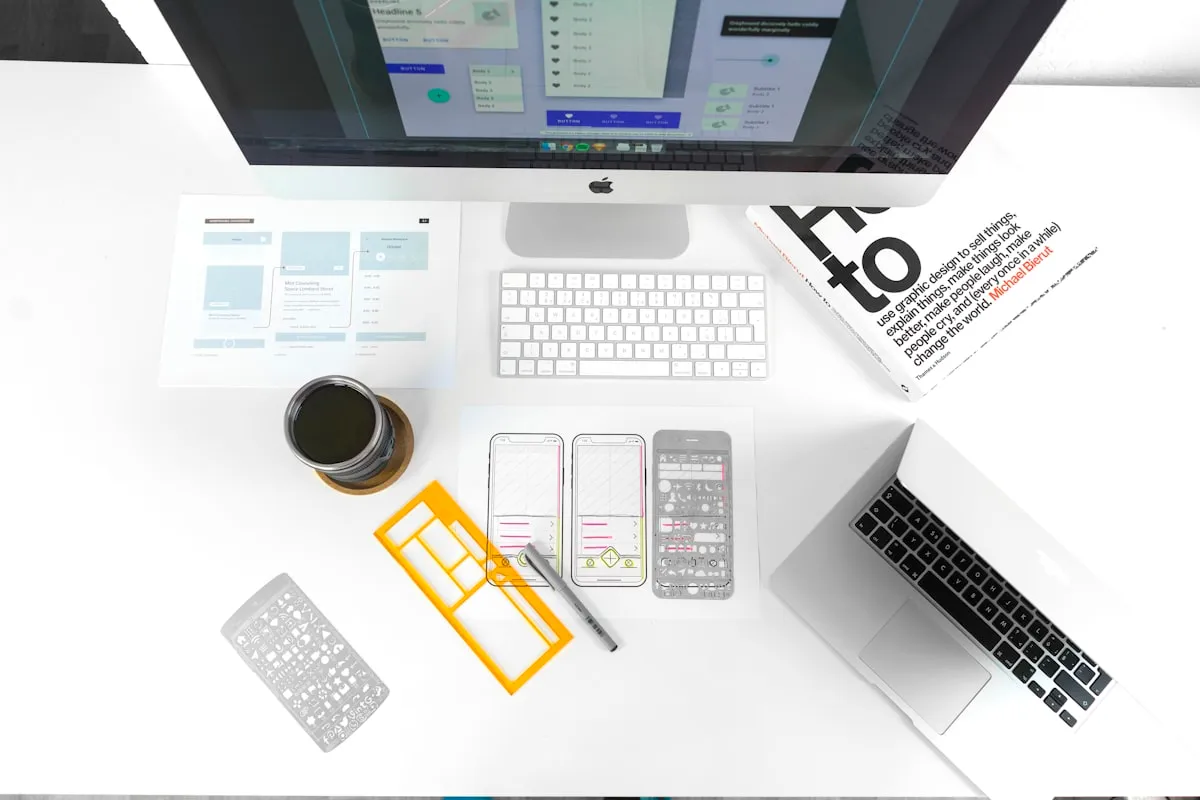
The Business Case for Templates
Time Savings Multiply
Consider the math:
- Without templates: Each presentation takes 2 hours to design + write
- With templates: Each presentation takes 30 minutes (content only)
If your organization creates 100 presentations per month:
- Without templates: 200 hours/month on presentations
- With templates: 50 hours/month on presentations
That’s 150 hours saved monthly, or nearly one full-time employee’s worth of productivity returned to other work.
Brand Consistency Builds Trust
Consistent visual presentation signals professionalism:
- Clients see the same quality in every interaction
- Partners recognize your materials immediately
- Employees feel part of a cohesive organization
- Your brand becomes more memorable
Research shows that consistent brand presentation increases revenue by an average of 23%. Templates are a key tool for achieving that consistency.
Onboarding Accelerates
New employees can create professional presentations immediately:
- No need to learn your design preferences
- No hunting for the “right” fonts and colors
- No quality gap between veteran and new staff
- Training focuses on content and messaging, not design
Templates reduce the time from hire to productivity for anyone who creates presentations.

What Makes a Great Template System
Coverage for Common Use Cases
A complete template system includes layouts for:
Title slides
- Standard title with logo
- Section dividers
- Agenda slides
Content slides
- Text with single image
- Two-column layout
- Bullet points with icon
- Full-bleed image with text overlay
Data slides
- Bar chart layout
- Line chart layout
- Pie chart layout
- Table layout
- Key metrics highlight
Comparison slides
- Two-option comparison
- Before/after
- Feature comparison table
Special slides
- Quote slide
- Team member introduction
- Contact information
- Thank you / Q&A
When every common need has a pre-designed solution, creators rarely need to improvise.
Flexibility Within Structure
The best templates balance consistency with customization:
- Fixed elements: Logo placement, primary colors, typography
- Flexible elements: Image choice, content length, specific data
Overly rigid templates frustrate users who feel constrained. Overly loose templates fail to enforce consistency. The sweet spot provides structure while accommodating real content needs.
Clear Documentation
Templates work best when accompanied by guidance:
- When to use each slide type
- How to customize allowed elements
- What to avoid (common misuse patterns)
- Where to find help
A style guide or usage documentation helps creators use templates correctly.

Templates for Teams vs. Individuals
Individual Use
Even solo presenters benefit from templates:
- Personal consistency across all presentations
- Time savings on recurring formats
- Professional quality without design skills
Create templates for your most common presentation types (weekly updates, project proposals, client meetings) and reuse them consistently.
Team Use
Teams gain additional benefits:
- Every team member produces consistent output
- Presentations can be assembled from parts
- New members match existing quality immediately
- Shared library reduces duplication of effort
Establish a shared template library accessible to all team members.
Organization-Wide Use
At organizational scale, templates become infrastructure:
- Marketing controls brand expression across all departments
- Legal can pre-approve compliant layouts
- Training ensures company-wide consistency
- Templates become part of corporate identity
Large organizations often appoint template owners who maintain and evolve the system.

Common Template Mistakes to Avoid
Too Many Options
A template library with 200 variations paralyzes users. They spend more time choosing than creating.
Better approach: Offer 15-20 core templates that cover 90% of needs. Add specialized templates only when there’s clear demand.
Outdated Designs
Templates designed in 2015 look dated in 2025. Stale templates undermine the professionalism they’re meant to establish.
Better approach: Review and refresh templates annually. Update for current design trends and evolving brand guidelines.
Ignoring Actual Usage
Templates designed in isolation often miss real needs. The comparison layout looks great, but no one ever uses it. The agenda slide is missing from the library.
Better approach: Study how people actually create presentations. Interview heavy users. Let real needs drive template development.
No Enforcement Mechanism
Templates only work if people use them. When there’s no enforcement, individual preferences creep back in.
Better approach: Make templates the default starting point. Consider requiring template use for external communications. Celebrate good examples.

Dynamic Templates for the Modern Era
Beyond Static Layouts
Traditional templates are static files that users manually fill in. Modern template systems can be dynamic:
Data-driven population: Connect templates to data sources. Charts update automatically. Text fields pull from databases. Numbers reflect current reality.
Conditional content: Show different slides based on context. A proposal template might include case studies relevant to the prospect’s industry, selected automatically.
Responsive layouts: Content adapts to length. A bullet list that works with 3 items also works with 7, without manual reformatting.
How Pluslide Approaches Templates
Visual Editing, Programmatic Power
Pluslide combines the best of both worlds:
Design visually: Create templates using a WYSIWYG editor. Drag and drop elements. See exactly how the output will look. No coding required for template creation.
Generate programmatically: Once templates exist, populate them via API. Data from any source becomes polished presentations automatically.
Responsive Layout System
Our templates handle dynamic content gracefully:
- Text boxes expand to fit content without breaking layouts
- Images crop and position themselves appropriately
- Spacing adjusts automatically to maintain visual balance
You design for ideal content. The system adapts to real content.
Multi-Format Output
Templates designed in Pluslide export to:
- PPTX: For editing in PowerPoint
- PDF: For read-only distribution
- Google Slides: For cloud-native collaboration
One template, multiple output formats, consistent quality everywhere.

Getting Started with Templates
Step 1: Audit Current Practice
Before creating templates, understand what exists:
- What presentations do people create most often?
- What existing templates (formal or informal) are in use?
- What brand guidelines must templates follow?
- What pain points do current creators experience?
Step 2: Define Core Templates
Start with the 80/20 rule: create templates for the presentation types that represent 80% of volume.
For most organizations, this includes:
- General purpose presentation (internal updates, status reports)
- External pitch deck (sales, partnerships)
- Executive summary (board reports, leadership updates)
- Training materials (onboarding, education)
Step 3: Get Design Input
Work with designers or use professional templates as a starting point:
- Ensure brand alignment
- Follow design best practices
- Test with real content before finalizing
Step 4: Distribute and Train
Templates only create value when people use them:
- Make templates easily accessible
- Provide brief training on usage
- Share examples of good usage
- Establish feedback channels
Step 5: Iterate and Improve
Templates should evolve:
- Collect feedback from users
- Track which templates get used
- Update for changing needs
- Refresh designs periodically
Conclusion
Presentation templates are not about limiting creativity. They are about raising the floor of quality across your organization.
When templates encode design best practices, every creator produces professional results. When templates enforce brand consistency, every presentation reinforces your identity. When templates save time, more energy goes into the message itself.
The question is not whether you can afford to invest in templates. The question is whether you can afford the inconsistency, wasted time, and variable quality of going without them.
Ready to create templates that scale across your organization?
Other Articles
Why We Migrated from Next.js to Vite and Hono
Why Pluslide moved from Next.js to Vite and Hono. Cloudflare issues, security concerns, and the architectural clarity we gained.
Why Google Slides Is the Go-To Tool for Modern Teams
Why Google Slides is surging in popularity. Real-time collaboration, cloud-native workflows, and what makes it the preferred choice.
PDF vs PPTX: Choosing the Right Presentation Format
Compare PDF and PPTX as presentation formats. Learn why PDF offers better consistency, security, and cross-platform compatibility for presentations.